
Moving to Palatine, IL: Home Buying Guide
Real Estate, Moving to Palatine IL
Moving to Palatine, IL: What You Should Know Before Buying a Home
Considering a move to Palatine, Illinois and thinking about buying instead of renting? This northwest Chicago suburb blends small-town comfort with big-city access, but every market has its nuances. Here’s what you should know before you start touring homes or making offers in Palatine, IL.
Where Exactly Is Palatine, IL—and What Is It Like?
Palatine is a suburban village in Cook County, about 30 miles northwest of downtown Chicago. It’s part of the highly regarded Northwest Suburbs, close to communities like Arlington Heights, Schaumburg, and Barrington. With a population of roughly 70,000, Palatine feels large enough to offer plenty of amenities but small enough that neighborhoods still feel personal and community-focused.
The vibe is largely residential and family-oriented. You’ll find established tree-lined streets, older ranches and split-levels, newer subdivisions, townhome communities, and a modest but growing downtown core near the Metra station. If you want access to Chicago without living in the city, Palatine offers a practical balance of space, schools, and transit options.
Understanding the Palatine Housing Market Before You Buy
Before moving to Palatine, it’s important to understand how the local housing market behaves. Prices vary significantly depending on proximity to downtown, school boundaries, and age of the home. In general, Palatine is more affordable than some neighboring suburbs like Arlington Heights or Barrington, but it has become more competitive in recent years as buyers look for value outside the city of Chicago.
Single-family homes: You’ll see everything from mid-century ranches and split-levels to larger two-story homes on quiet cul-de-sacs. Many older homes have been updated, but some will still need cosmetic or mechanical work—factor that into your budget.
Townhomes and condos: If you’re looking for lower maintenance or a first home, Palatine has a good inventory of condos and townhomes, often at more accessible price points, though association fees can vary widely.
Newer construction: Newer developments tend to be farther from downtown, with larger homes and modern layouts, but often come with higher prices and potentially higher property taxes.
💡 Pro Tip: Ask your real estate agent for recent comparable sales (“comps”) in the exact subdivision or neighborhood you’re targeting—Palatine pricing can shift noticeably from one pocket to the next.
Neighborhoods and Areas to Explore in Palatine
When you’re moving to Palatine, one of the most important decisions is where in the village you want to live. Each area offers slightly different benefits, from walkability to lot sizes and school options. Spend time driving or walking around at different times of day to get a feel for traffic, noise, and general atmosphere.
Downtown Palatine: Close to the Metra station, local restaurants, coffee shops, and community events. Ideal if you commute by train or want a more walkable lifestyle. Housing here includes older single-family homes, condos, and some newer townhomes.
North Palatine: Generally more residential and established, with parks and access to Deer Grove Forest Preserve. Many buyers appreciate the mature trees and quieter streets.
South and Southeast Palatine: Convenient to major roads and shopping areas, plus relatively easy access to neighboring communities. You’ll find a mix of styles and price points, including townhome communities.
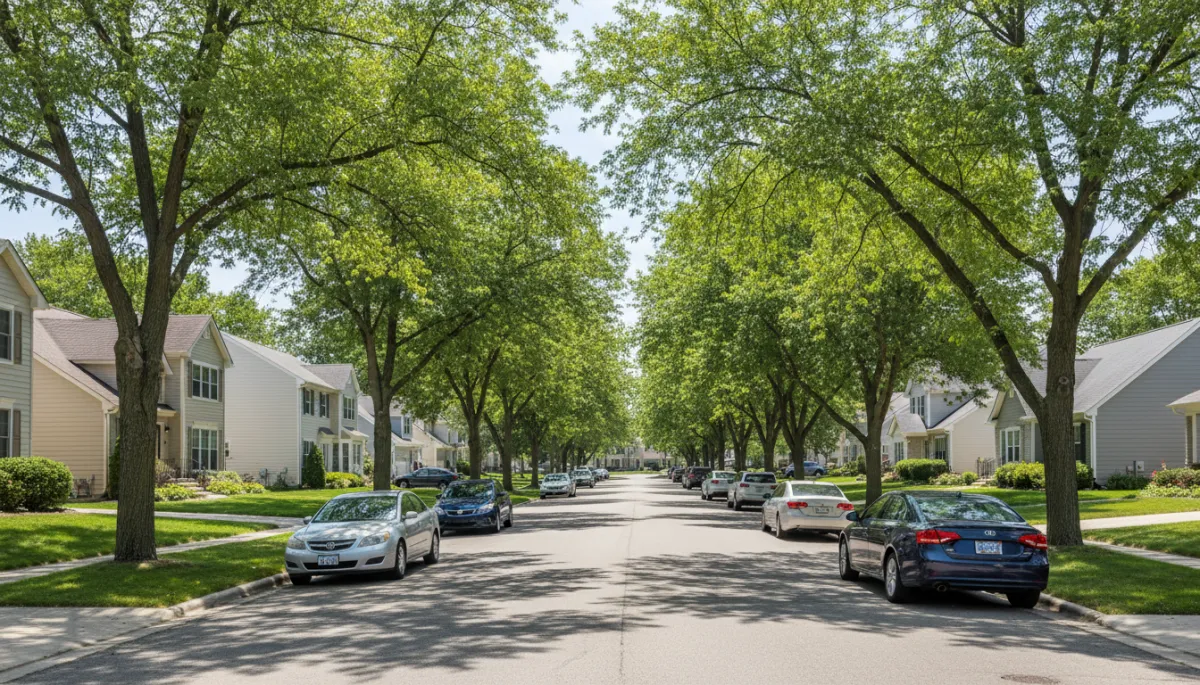
Touring different Palatine neighborhoods in person reveals big lifestyle differences block by block.
Schools and Districts: A Key Factor for Many Buyers
Schools are one of the biggest reasons families move to Palatine. The village is served by several school districts, and the exact district can change from one side of the street to the other. If schools are important to you, verify attendance boundaries for any home you’re considering rather than relying on assumptions or outdated maps.
Elementary and middle schools: Parts of Palatine are served by Community Consolidated School District 15, which includes multiple elementary and junior high schools with varying programs and ratings.
High schools: Many students attend schools within Township High School District 211, including Palatine High School and Fremd High School—both well-known in the area. Some parts of Palatine may feed into different high schools, so confirm before you buy.
📌 Key Takeaway: Always cross-check school assignments on official district websites and call the district if you have questions. Online real estate listings can occasionally list incorrect schools.
Property Taxes, Assessments, and Ongoing Costs in Palatine
Illinois is known for relatively high property taxes, and Palatine is no exception. When you’re evaluating a home, don’t just look at the purchase price—pay close attention to the annual property tax bill and any special assessments that may apply to the neighborhood or condo association.
Tax variations: Two similar homes in Palatine can have noticeably different tax bills depending on lot size, school district, and when the home was last reassessed. Ask your agent for the most recent tax data and consider how potential reassessments could affect your budget.
HOA and condo fees: If you’re buying a townhome or condo, factor in monthly association fees. These can cover landscaping, snow removal, exterior maintenance, and amenities—but they also impact how much home you can comfortably afford.
💡 Pro Tip: Ask for a full breakdown of monthly and yearly costs—mortgage, taxes, insurance, utilities, and association fees—so you have a realistic picture of your total cost of ownership in Palatine.
Commute, Transportation, and Getting Around
One of Palatine’s biggest advantages is its transportation access. If you work in downtown Chicago or elsewhere in the suburbs, understanding commute options should be part of your decision-making before you buy.
Metra: The Palatine Metra station on the Union Pacific Northwest line provides direct service to downtown Chicago. Living within a short drive or walk of the station can be a major lifestyle perk if you rely on the train for work or entertainment in the city.
Highways: Palatine is convenient to major roads such as Route 53 and I‑90, making it relatively easy to reach O’Hare Airport, Schaumburg, and other employment hubs in the northwest suburbs. If you drive daily, test your potential commute during rush hour before you commit to a neighborhood.
Parks, Recreation, and Everyday Amenities
When you move to Palatine, you’re not just buying a house—you’re buying into a lifestyle. The Palatine Park District is very active, offering community centers, pools, sports leagues, and seasonal events. Nearby Deer Grove Forest Preserve provides miles of trails for walking, biking, and cross-country skiing, which is a huge plus if you enjoy the outdoors.
On the practical side, Palatine offers plenty of grocery stores, shopping centers, gyms, and local businesses. Larger malls and big-box retailers are available in neighboring Schaumburg and Arlington Heights, so you won’t have to travel far for most daily needs. As you tour homes, pay attention to how far you’ll be from your favorite types of amenities—coffee shops, parks, fitness studios, or childcare, for example.
Older Homes, Inspections, and Seasonal Realities
Many Palatine neighborhoods were built decades ago, which can be a plus if you love character and mature landscaping—but it also means you should go into your purchase with eyes wide open about maintenance. A thorough home inspection is essential, and in some cases, it may be worth bringing in specialists to look at foundations, sewers, or roofs, especially on older properties.
Weather considerations: Palatine experiences classic Midwest seasons—hot summers, cold and snowy winters, and everything in between. Check the age and condition of the furnace, air conditioner, windows, and insulation. These will significantly impact your comfort and utility bills.
Basements and drainage: Many Palatine homes have basements, which are great for storage or extra living space—but also raise questions about moisture. Ask about any history of water intrusion, sump pumps, and drainage improvements around the property.
📌 Key Takeaway: Don’t skip or rush inspections. A few hundred dollars upfront can save you from costly surprises after you move into your Palatine home.
Making Your Move to Palatine, IL a Smart Investment
Moving to Palatine, IL can be a great decision if you’re looking for solid schools, access to transit, and a comfortable suburban lifestyle with relatively good value compared to some neighboring towns. But like any market, it rewards buyers who do their homework before signing a contract.
Before you buy, take time to:
Visit multiple neighborhoods at different times of day and week.
Clarify school districts and verify boundaries with the district itself.
Review property taxes, HOA or condo fees, and likely maintenance costs so there are no budget surprises.
Test your commute or transit route to see how it feels in real life, not just on a map app.
With the right preparation, buying a home in Palatine can be both a lifestyle upgrade and a sound long-term investment. By understanding the nuances of the local market—neighborhoods, schools, taxes, and housing stock—you’ll be in a much stronger position to choose a home that truly fits your needs today and supports your goals for the years ahead.
